
What is Matcha?
Matcha, a word that has resonated through the corridors of health cafes and supermarkets alike, represents not just a beverage but a cultural tradition steeped in history. Originating from Japan, matcha is a finely ground powder made of specially grown and processed green tea leaves. Although matcha has only recently gained popularity in the Western world, it has been a cornerstone in traditional Japanese tea ceremonies for centuries. As more people become interested in the health benefits and unique flavor profile of matcha, it has found its way into an array of products including matcha lattes, matcha set for making traditional tea, and even into various matcha recipes.
Matcha vs. Traditional Green Tea: Understanding the Differences
When comparing matcha to traditional green tea, it is important to understand that while they originate from the same plant, Camellia sinensis, the differences in their cultivation and processing methods set them worlds apart. The shaded growth process of matcha leaves increases chlorophyll and amino acid content, giving matcha its vibrant green hue and a smoother, more complex flavor profile than conventional green tea. Matcha powder provides a more concentrated form of green tea, which means one cup of matcha tea offers a nutrient equivalent to several cups of traditional green tea. This potency results not just in amplified health benefits – such as a more potent source of catechins and enhanced matcha tea benefits – but also a greater caffeine kick, making an iced matcha latte a more invigorating option than its steeped counterpart.
In the West, matcha popularity has skyrocketed with offerings such as the matcha latte Starbucks version, and matcha drinks available at most local cafes, with many enthusiasts searching for the best 'matcha latte near me'. Additionally, for home preparation, products like matcha tea Tesco options in the UK have broadened access to this versatile green powder, allowing for a global expansion of matcha culture.
Processing Matcha: From Leaf to Fine Powder
The transformation of matcha from leaf to fine powder is a delicate process that preserves its quality and nutrient-rich profile. The journey begins with the selection of tea leaves, which are shade-grown for approximately 20-30 days before harvest. This practice not only increases chlorophyll levels, which gives matcha its vibrant color but also boosts the content of L-Theanine – an amino acid responsible for matcha's unique umami flavor. After harvesting, the leaves are carefully steamed to halt fermentation, air-dried, and then de-veined and de-stemmed, resulting in what is called 'tencha'. Tencha is then stone-ground into a fine matcha powder, which can be used to make traditional matcha tea, included in a matcha tea set for ceremonial brewing, or incorporated into a variety of matcha drink recipes.
Understanding the process behind matcha's creation is crucial for appreciating its full spectrum of flavors as well as recognizing the labor of love that goes into every tin of matcha powder. As enthusiasts experiment with how to make matcha tea or venture into more creative avenues, such as a homemade matcha latte or iced matcha latte, the intricate process from leaf to cup enhances the overall experience. Even shopping becomes an exploratory endeavor, with products ranging from readily available matcha powder Tesco carries, to specialized matcha tea UK brands catering to the discerning palate.
Potential Risks and Considerations
Caffeine Content: Balancing Energy and Jitters
As matcha gains recognition for its ability to provide a sustained energy boost without the crash often associated with coffee, it's crucial to understand the caffeine content inherent in this potent green powder. Notably, a serving of matcha tea can contain roughly twice the amount of caffeine compared to conventional green tea, lending to its reputation as a robust pick-me-up. However, this also means that individuals sensitive to caffeine should consume matcha in moderation. While the balanced concoction of an iced matcha latte can delight the senses, overconsumption may lead to jitters and disrupted sleep patterns. Therefore, understanding your caffeine threshold is key to enjoying matcha's energy benefits while minimizing potential side effects.
Indeed, when people search for 'matcha latte near me' or indulge in a 'matcha latte Starbucks' special, it's often for that desired state of calm alertness, achieved via the unique combination of caffeine and L-Theanine in matcha. It's this very synergy that allows matcha drinkers to experience a boost in attention without the common adversities of caffeine overindulgence.
Heavy Metal Contamination in Tea Leaves
While matcha boasts a plethora of health benefits, it's essential to address concerns regarding heavy metal contamination, a potential risk not alien to many agricultural products. Tea plants can absorb metals such as lead from the soil, which may then become concentrated in the final matcha powder. This issue is why quality sourcing and rigorous testing of matcha tea are imperative for safety.
Renowned brands and reputable matcha tea UK stores ensure thorough screening for contaminants, thereby providing their customers with high-grade matcha tea Tesco and similar outlets also adhere to stringent European food safety standards, helping consumers enjoy matcha drinks without qualms about heavy metals.
Safe Consumption Practices for Matcha
Incorporating matcha into your diet calls for a keen eye on consumption practices that optimize its health benefits while curtailing risks. To safeguard your health, be discerning about your matcha source; select well-established brands that can demonstrate purity testing results. A well-crafted matcha set is not just an ornamental tribute to tradition but can also guide the correct preparation of matcha, which supports its safe and beneficial consumption. By adhering to the recommended daily intake and avoiding matcha blends that may contain excess sugars or additives, customers can continually revel in varied matcha recipes – from a robust matcha latte to delicate matcha tea – all within a healthy lifestyle.
Moreover, as home brewing surges in popularity, learning how to make matcha tea and how to make matcha latte can introduce enthusiasts to consumption practices that preserve the integrity of matcha while personalizing the experience. Whether using matcha powder Tesco provides or sourcing from specialty shops, understanding matcha can transform your perception and appreciation of this green wonder.
How to Select and Use Matcha
Choosing the Right Matcha: Grades and Quality
Selecting the right matcha is like choosing a fine wine—quality varies and affects your experience. Matcha grades range from ceremonial, the highest quality used in tea ceremonies, to culinary grades, which are best suited for cooking and baking. Ceremonial matcha offers a more delicate taste and a vibrant green color, indicative of its superior quality, owing to the young leaves it's ground from. Conversely, culinary grades may be less sweet and more bitter, but they still provide the health benefits matcha is known for. Knowing the grade is essential for whether you're whipping up a matcha latte, engaging in a matcha tea set ritual, or exploring matcha recipes.
For those who've had their interest piqued by the allure of a 'matcha latte near me' sign and wish to create their own at home, starting with a ceremonial-grade matcha can truly elevate the taste of a homemade matcha latte or iced matcha latte.
Preparing the Perfect Cup of Matcha Tea
Mastering the preparation of matcha tea can transform your daily ritual into an art form. How to make matcha tea starts with sifting your matcha powder to avoid clumps and ensure a smooth drink. Then, whisk it with water just below boiling temperature until frothy – traditional bamboo whisks known as 'chasen' are designed explicitly for this purpose. If you're considering how to make matcha latte, the process is similarly straightforward: blend your sifted matcha with warm milk (or a dairy alternative for a vegan matcha latte) and sweeten it to taste. The key is proportion; a standard matcha tea recipe calls for about one to two teaspoons of matcha powder per serving, ensuring a robust flavor that doesn't overpower.
Whether it's to kickstart your morning with an energizing matcha drink or to find serenity in the afternoon with a warming matcha tea, the tradition of preparing matcha allows for personalization while maintaining the integrity of its origins.
Finding Quality Matcha: Tea Bags, Loose Leaf, and Powders
Finding quality matcha, be it in the form of tea bags, loose leaf, or powder, is becoming increasingly easier as its popularity soars. When searching for matcha in retail stores, look for brands that provide information about the origin and processing of their tea. A high-quality matcha powder will typically hail from Japan and be rich in color with a fine, silky texture. Major retailers, including those selling matcha tea Tesco, now stock various matcha options, satisfying both novice and seasoned aficionados alike.
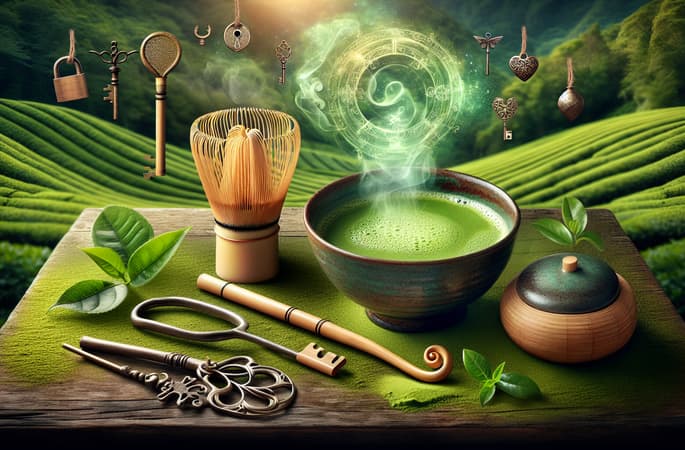
For the convenience of on-the-go consumption, matcha tea bags may be the perfect option. However, for a truly authentic experience, investing in a matcha tea set, which includes a bamboo whisk, scoop, and bowl, can help recreate the cherished, age-old practice at home. In the end, whether you're sipping matcha tea UK style, stirring up a matcha latte Starbucks-inspired, or shaking an iced matcha latte, matcha's versatility is boundless.